28 September 2026
Why Wisdom Teeth Removal Oxnard CA May Be Recommended Early
Presented by @myleswvry253
For many patients, wisdom teeth seem easy to ignore until they hurt. That is often how the story starts. A teenager or college student comes in for a routine exam, says everything feels fine, and is surprised when the conversation turns to extraction. The question usually follows right away: if they are not causing pain, why remove them now?
That question deserves a careful answer. Early wisdom tooth removal is not about doing surgery for its own sake. It is often about timing, anatomy, and preventing a more difficult problem later. In a place like Oxnard, where families often try to coordinate dental care around school schedules, work, sports, and insurance timing, planning ahead matters. When a dentist or oral surgeon discusses Wisdom Teeth Removal Oxnard CA at an earlier age, the recommendation is usually based on what the X-rays show now, not just on what the mouth feels like today.
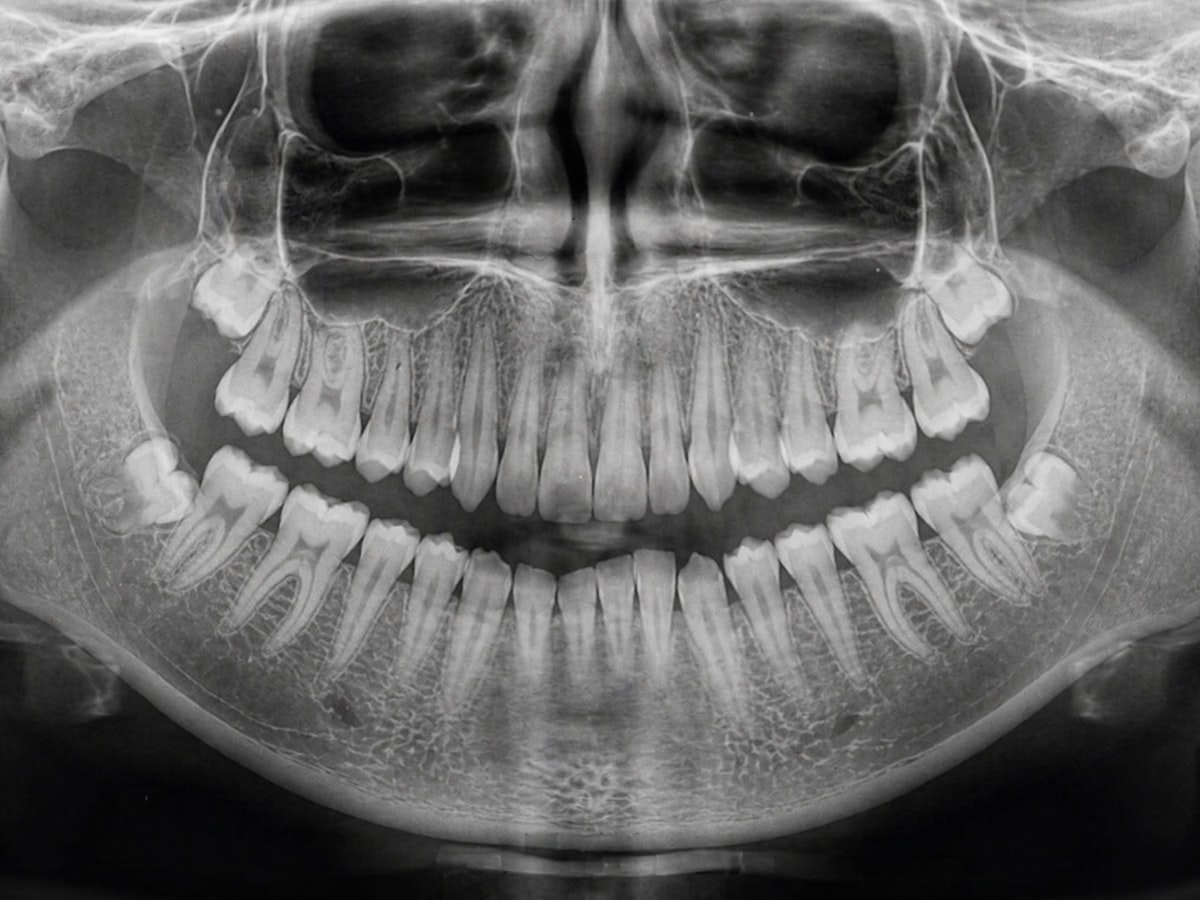
Wisdom teeth, also called third molars, are the last teeth to develop and usually the last to erupt. Most people have four, though some have fewer and some never develop them at all. They tend to emerge in the late teens or early twenties, but the story begins years before they break through the gums. Long before pain, swelling, or infection shows up, imaging can reveal whether there is enough space for them, whether they are growing at an angle, and whether their roots are forming in a way that may complicate future removal.
Why early evaluation often changes the plan
One of the most important misconceptions about wisdom teeth is the belief that symptoms are the only reason to act. In practice, dentists and oral surgeons often rely on a combination of clinical exam and panoramic X-rays to assess risk before symptoms begin. A quiet tooth can still be trapped under the gums, pushing against a second molar, or developing in a position that makes future trouble likely.
That matters because waiting does not always make the decision easier. In many patients, the roots continue to lengthen and the surrounding bone becomes denser with age. A partially developed tooth is often simpler to remove than one that has fully matured and become more firmly anchored. Healing can also be smoother in younger patients. That does not mean adults cannot have wisdom teeth removed successfully, because they absolutely can, but earlier timing can reduce surgical complexity in the right case.
I have seen this play out in two very different ways. One patient comes in at 16, has no pain, but imaging shows all four wisdom teeth tilted forward into the second molars with almost no room to erupt. The family schedules removal during a school break, and recovery is uneventful. Another patient waits until 29 because the teeth “never really bothered” him, then develops a deep cavity on the back of a neighboring molar where a partially erupted wisdom tooth has trapped bacteria for years. At that point, the problem is no longer just the wisdom tooth. Now there may be damage to a healthy tooth that should have been protected.
The hidden problems wisdom teeth can create
The back of the mouth is hard to clean even under ideal conditions. When a wisdom tooth erupts only partway, gum tissue can drape over the top of it and create a pocket that traps food, plaque, and bacteria. That is one reason people may develop recurring inflammation or infection around a partially erupted third molar, a condition often associated with swelling, tenderness, bad taste, or difficulty chewing.
Not every impacted wisdom tooth becomes infected, but many create problems indirectly. A lower wisdom tooth that leans forward can press into the roots or crown of the second molar in front of it. Over time, that contact may contribute to decay, gum defects, or root damage. In other situations, a tooth remains fully buried in bone yet still forms a cyst or contributes to crowding concerns. The degree of risk varies, but these are not theoretical issues. They are findings dentists see regularly on imaging and clinical follow-up.
Patients are often surprised to learn that pain is not a reliable early warning sign. Some serious dental problems are painless until they are advanced. A cavity between teeth can deepen quietly. Bone loss around a partially erupted tooth can progress https://landenhumn455.quantlynix.com/posts/wisdom-teeth-removal-in-oxnard-ca-common-recovery-questions-answered without much sensation. That is why routine exams matter, especially in the teenage years when third molars are developing and their path becomes clearer.
Age matters more than many people realize
When wisdom teeth are recommended for removal in the mid-teen years or early twenties, age is not being used as a blunt rule. It is part of a broader judgment call. Teeth with roots that are not yet fully formed are often more straightforward to remove. The surrounding bone tends to be more forgiving. Recovery can be faster, swelling may be more manageable, and the chance of certain complications can be lower.
That does not mean “earlier” always means “better.” Timing should still be individualized. A 14-year-old with very immature tooth development may simply need monitoring. A 17-year-old whose X-ray shows clear impaction and no realistic path for eruption may be a strong candidate for planned removal. A patient in their twenties who still has room and healthy gum tissue may be watched rather than rushed to surgery. Good clinicians do not use a one-size-fits-all rule. They look at position, symptoms, oral hygiene, root formation, sinus and nerve proximity, and the patient’s overall health.
There is also a practical side that families appreciate. Recovery is easier to plan when it happens on your schedule rather than in response to an emergency flare-up before finals, during a work deadline, or right before travel. In Oxnard, where many households juggle school calendars and seasonal work demands, that predictability can make a real difference.
What dentists and oral surgeons look for on imaging
A panoramic X-ray can reveal a lot about wisdom tooth development. It shows whether the teeth are upright, angled forward, tipped backward, or lying nearly sideways. It shows how much room is available behind the second molars. It also gives clues about how close lower wisdom tooth roots are to the inferior alveolar nerve, and how near upper roots may be to the sinus floor.
Those details influence both urgency and technique. A tooth that is deeply impacted but stable may be monitored if it poses little current risk. A tooth angled directly into the second molar often prompts a stronger recommendation for removal before damage occurs. In younger patients, roots may be only half to two-thirds formed, which is often considered a favorable stage for extraction if removal is likely to be needed at all.
This is one reason second opinions can still lead to similar recommendations. Different clinicians may explain it differently, but if the anatomy is working against eruption, the basic logic does not change. The goal is not to remove every wisdom tooth by default. The goal is to identify which teeth are likely to become harmful or difficult over time.
Signs that early removal may make sense
Some patients clearly need treatment because they already have active symptoms. Others are recommended for early removal because the warning signs are visible before symptoms begin. Common reasons include:
- The tooth is impacted and pushing against the second molar
- There is not enough jaw space for proper eruption
- Gum tissue around a partially erupted tooth keeps getting inflamed
- Cleaning the area is consistently difficult, raising the risk of decay
- Imaging suggests future removal will become more complex if delayed
These points are not automatic triggers by themselves. They are part of the larger clinical picture. A patient with one mildly tilted upper wisdom tooth and good space may simply be observed. A patient with four impacted teeth, repeated gum infections, and early damage to adjacent molars is in a very different category.
The question of crowding and braces
One of the most debated topics around third molars is whether they cause front teeth to crowd after braces. Patients ask this all the time, and the honest answer is that crowding is more complicated than wisdom teeth alone. Teeth can shift over time for several reasons, including natural growth changes, bite forces, and retention habits after orthodontic treatment.
That said, wisdom teeth can still contribute to pressure and make an already tight situation less stable. They may not be the sole cause of late crowding, but they can be part of the mechanical and hygiene issues in a crowded posterior mouth. Orthodontists often coordinate with oral surgeons when they see developing third molars that may compromise long-term dental health or interfere with treatment planning.
It is worth separating myth from reality here. No responsible clinician should promise that removing wisdom teeth will preserve perfectly straight front teeth forever. That is too simplistic. The stronger and more defensible reasons for removal remain impaction, infection risk, damage to neighboring teeth, and lack of space.
Why “wait and see” is sometimes appropriate, and sometimes not
There are cases where observation is reasonable. A wisdom tooth that erupts fully, aligns well, can be cleaned effectively, and functions like a normal molar may not need removal. Some patients have enough space. Some never develop problems. It would be poor practice to recommend surgery without a clear rationale.
But “wait and see” only works when there is a meaningful plan to monitor the situation. That means periodic exams, updated X-rays when indicated, and a willingness to act if the risk profile changes. Passive neglect is not the same as careful observation. The trouble with wisdom teeth is that problems often develop in a part of the mouth that patients cannot easily inspect and may not feel until significant inflammation or decay is present.
This is especially relevant for college students and young adults who stop seeing a dentist regularly for a few years. They may have been told at 17 that their wisdom teeth should be watched, then return at 23 with pain, swelling, and decay that could have been addressed earlier under more favorable conditions.
What the removal process typically involves
When removal is recommended, the consultation usually covers several basics: how many teeth are involved, whether the teeth are erupted or impacted, what type of sedation or anesthesia is appropriate, what risks apply in that specific case, and what recovery will likely look like. Most healthy patients do very well. The exact experience varies depending on tooth position and depth.
For simple erupted teeth, extraction may be more straightforward. For impacted teeth, the surgeon may need to open the gum, remove a small amount of bone, and section the tooth into pieces for controlled removal. That sounds more dramatic than it often feels in practice because the area is numb, and sedation is commonly used when several third molars are removed at once.
Patients in Oxnard often ask whether they should arrange a whole week off. A practical answer is that many people need several days of real downtime, with swelling typically peaking around the second or third day. Some are back to light schoolwork or desk work sooner, while physically demanding jobs may require more caution. The variability depends on the procedure, the patient, and how closely aftercare instructions are followed.
Recovery tends to be easier when patients prepare well
The early recovery period is usually manageable, but small choices can make it smoother. Patients often do best when they understand the first few days clearly rather than relying on vague advice from friends. The basics matter:
- Plan for rest, soft foods, and a ride home if sedation is used
- Use medications exactly as prescribed or recommended
- Keep the extraction sites protected, especially during the first day
- Avoid smoking, vigorous rinsing, and straws during early healing
- Call the office if pain sharply worsens, swelling becomes severe, or fever develops
Anecdotally, the patients who struggle most are often not the ones with the hardest surgery. They are the ones who resume normal routines too quickly, skip hydration, smoke, or underestimate how much the first 48 to 72 hours matter. On the other hand, many nervous teenagers recover quite smoothly because they actually follow instructions carefully.
Nerve concerns, sinus concerns, and other edge cases
A thoughtful discussion of early removal should also acknowledge trade-offs. Wisdom tooth surgery is common, but it is still surgery. Lower wisdom teeth can sometimes sit near a major nerve that supplies feeling to the lower lip and chin. Upper wisdom teeth may be close to the maxillary sinus. These relationships do not automatically make surgery unsafe, but they do affect planning and informed consent.
This is another reason earlier evaluation can be helpful. If a lower wisdom tooth appears increasingly close to the nerve as roots develop, timing becomes more than a convenience issue. In some cases, a surgeon may recommend earlier removal while the roots are shorter. In more complex situations, advanced imaging such as a cone beam scan may be used to understand the anatomy better. Occasionally, the safest path is referral to an oral and maxillofacial surgeon rather than removal in a general office setting.
Patients should not leave a consultation feeling pushed. They should understand the reason behind the recommendation, the alternatives, and the specific risks in their case. Good decisions come from clarity, not pressure.
How this decision often plays out for families in Oxnard
The phrase Wisdom Teeth Removal Oxnard CA often brings people to local practices because they are looking for a practical answer, not a generic one. They want to know whether now is truly the right time, whether all four teeth need to come out, how recovery will fit around school or work, and whether delaying a year will matter.
Local families often balance care around sports seasons, college breaks, transportation, and insurance deadlines. Those concerns are real. A dentist who understands that can help set priorities. If one lower wisdom tooth is creating active periodontal risk and the uppers are less urgent, the treatment discussion may reflect that. If all four teeth are impacted in a way that makes future problems likely, coordinating one planned procedure may be the more efficient choice.
The best consultations tend to feel specific. They reference the patient’s X-ray, their age, their jaw space, their symptoms, and their goals. A vague “they should come out someday” is not enough. Nor is “leave them unless they hurt.” The decision deserves more nuance than either of those extremes.
What patients should ask before saying yes or no
A strong treatment conversation often turns on the quality of the questions. Patients and parents do well when they ask why the teeth are being recommended for removal now, what might happen if they wait, whether all the wisdom teeth are equally concerning, and what recovery will realistically require. They should also ask about sedation options, likely swelling, pain control, and the office’s instructions for complications after hours.
These questions do more than reassure. They reveal whether the recommendation is based on actual anatomy and risk, or on a generic policy. In my experience, when the rationale is sound, the explanation is usually straightforward. The clinician can point to the X-ray and show the issue clearly.
Early does not mean premature
There is a meaningful difference between early and premature. Early removal means intervening when the evidence suggests that the teeth are unlikely to erupt well, are already compromising nearby structures, or will become harder to manage later. Premature removal would mean operating without a clear benefit, before there is enough information to justify the decision.
Most reputable dentists and oral surgeons try to stay on the right side of that line. They monitor when monitoring is appropriate. They recommend action when the anatomy makes future trouble likely. For many teens and young adults, that point arrives before pain ever starts. That is often why the recommendation surprises patients who feel perfectly fine.
The important thing to remember is that wisdom teeth are judged by more than symptoms. They are judged by position, access for cleaning, effects on neighboring teeth, developmental stage, and likelihood of healthy eruption. If a provider in Oxnard recommends removal earlier than expected, the advice is usually coming from that broader clinical picture.
For the right patient, acting early can mean a simpler procedure, a more predictable recovery, and less risk to the teeth that matter most. That is the real reason the timing conversation comes up so often, and why it is worth taking seriously before discomfort forces the issue.
Oxnard Dentistry
1730 E Gonzales Rd
Oxnard, CA 93036, United States
Phone: +1 805-307-8731
FAQ About Wisdom Teeth Removal Oxnard CA
How much does it cost to get wisdom teeth removed in California?
Fees depend on tooth position, the number of extractions, imaging and anesthesia. Oxnard Dentistry can provide an individual estimate after examining your teeth. Ask for an itemized plan and confirm insurance benefits before scheduling.
Will insurance cover wisdom teeth removal?
Coverage and out-of-pocket costs vary by policy and the treatment required. Ask the dental office and your insurer to verify benefits, annual limits and any authorization requirements. A benefit estimate does not guarantee payment.
Is 30 too old to have wisdom teeth removed?
Age alone does not determine whether extraction is appropriate. A dentist evaluates symptoms, tooth position, oral health and medical history. Healthy, functional wisdom teeth may be monitored; teeth causing disease or other problems may need treatment.